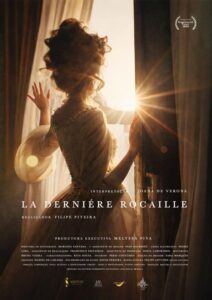
La Dernière Rocaille is a contemplative experimental short film that functions as a quiet, visual tone poem dedicated to the fading of elegance and grace. Directed by David Byars and produced by Melyssa Piva, the film explores the profound weight of impermanence, capturing a world on the precipice of its final, dimming light.
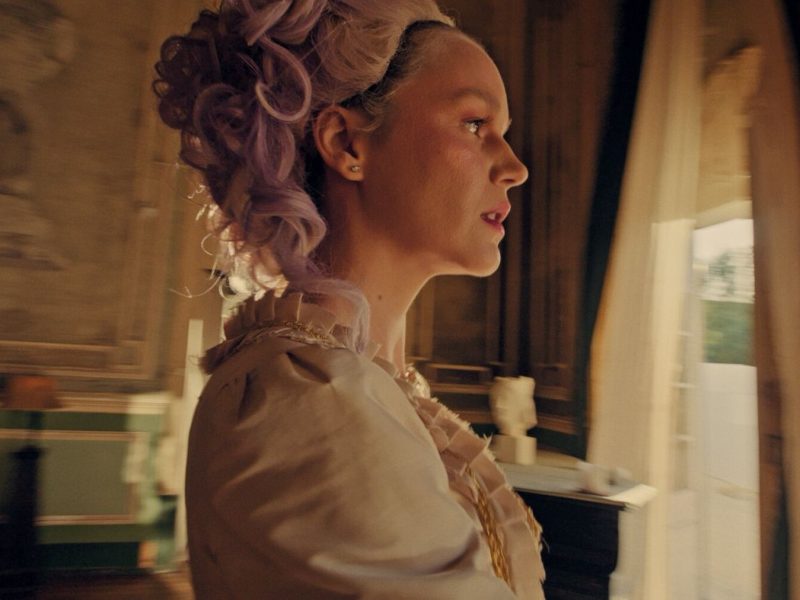
The film operates in a realm of solemn observation, capturing the transition from presence to absence. Under Piva’s careful production coordination and Byars’ direction, the environment feels like a place where time stretches, urging the audience to look closely at what remains when the external world begins to dissolve. The cinematography emphasizes soft, fading light and quiet textures, transforming a simple setting into a sacred space of transition. It is an atmospheric piece that values the spaces between actions as much as the actions themselves.
The Power of Silent Gesture
Without a single word of dialogue, the narrative relies entirely on physical expression. The central performance by the lead actress (Joana De Verona) is the emotional anchor of the film. Through a sequence of deliberate pauses and a delicate, almost ghostly dance, her body language speaks volumes. Her face carries a mixture of sorrow and wonder, turning an abstract search for meaning into a deeply human struggle. It is her expressive performance that breathes warmth into the film’s cool, avant-garde aesthetic.
The Verdict
While the film is undeniably beautiful and anchored by an exceptional silent performance, its slow pacing and highly abstract nature may feel elusive to some. The heavy reliance on stillness occasionally halts the narrative momentum, leaving some of the film’s thematic goals feeling slightly out of reach. Nonetheless, as a sensory exercise in capturing fleeting splendor, it is a compelling piece of experimental cinema.
Rating: ★★★☆☆ (3 out of 5 stars)
Directed by: David Byars-Produced by: Melyssa Piva