
“Gladice” is a remarkable short documentary that delves into the pressing issue of climate change through a unique lens. Directed by David Byars, this film weaves together stunning visuals and a captivating narrative, offering viewers a thought-provoking exploration of a glacier’s perspective. Byars draws from 14 years of breathtaking footage to craft a narrative that is both engaging and educational.
Narrative and Concept
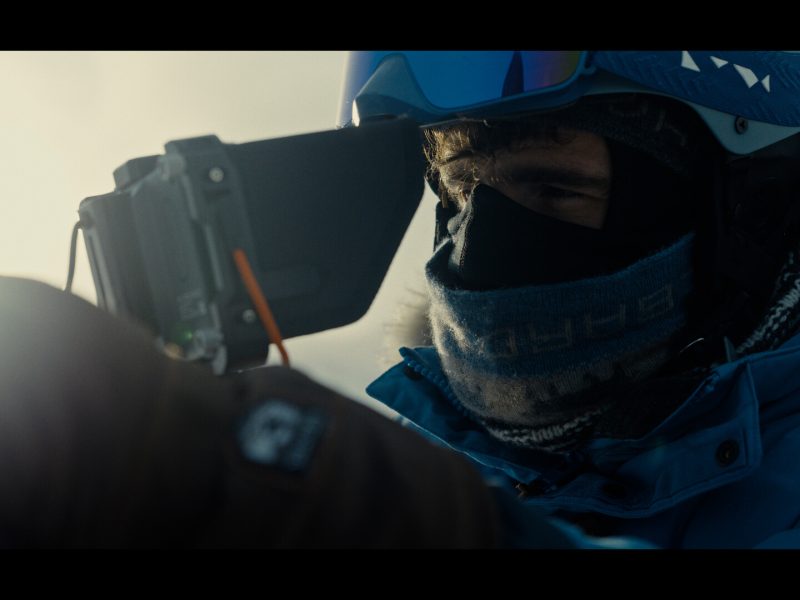
At the heart of “Gladice” lies the intriguing story of a sentient glacier named Gladice, who forms a parasocial relationship with Florian Ledoux, a real-life wildlife photographer. As Ledoux embarks on his journey to capture the beauty of the Arctic, he is confronted with a reality that starkly contrasts his expectations. Instead of a pristine landscape, he encounters a world marked by melting ice, struggling wildlife, and the harsh impacts of climate change. This juxtaposition creates a powerful narrative thread that invites viewers to reflect on the fragility of our planet.
Gladice’s one-sided relationship with Ledoux adds an emotional depth to the film. As she observes the photographer, she grapples with the fear of her own demise due to climate change. This anthropomorphism of the glacier allows the audience to connect on a deeper level, transforming a scientific issue into a personal story of loss and longing.
Cinematic Techniques
The visual storytelling in “Gladice” is truly a standout feature. Byars employs stunning cinematography that captures the stark beauty of the Arctic landscape, immersing viewers in the serene yet haunting environment. The film’s visuals are not just aesthetically pleasing; they serve as a poignant reminder of what is at stake. Each frame is meticulously crafted, showcasing the delicate balance of nature and the urgent threats posed by climate change.
The camera work is complemented by an insightful narration that guides the audience through the emotional landscape of the glacier and the challenges faced by wildlife in the Arctic. Rather than resorting to fear and guilt, the film adopts a reflective tone, encouraging viewers to contemplate the implications of climate change without feeling overwhelmed.
Emotional Resonance
One of the most compelling aspects of “Gladice” is its ability to evoke a range of emotions. By focusing on Gladice’s fears and hopes, the film humanizes an abstract concept, making the climate crisis more relatable. Viewers are not just passive observers; they are drawn into the glacier’s world, feeling her pain as she worries about her existence and the environment around her.
This emotional connection is reinforced by the film’s pacing and structure. Byars skillfully balances moments of awe-inspiring beauty with sobering realities, allowing audiences to experience the full spectrum of emotions associated with climate change.
Conclusion
“Gladice” stands out as a poignant documentary that effectively combines art and activism. Through the lens of a sentient glacier, it offers a fresh perspective on climate change, urging viewers to consider their relationship with nature. The film’s ability to blend stunning imagery with a compelling narrative results in a thought-provoking experience that resonates long after the credits roll.
In summary, “Gladice” is an important contribution to the conversation about climate change. Its emotional depth, stunning visuals, and unique narrative approach make it an essential watch for anyone looking to understand the complexities of our changing world. While it may not provide all the answers, it certainly inspires reflection and awareness, earning a well-deserved rating of four stars.
