
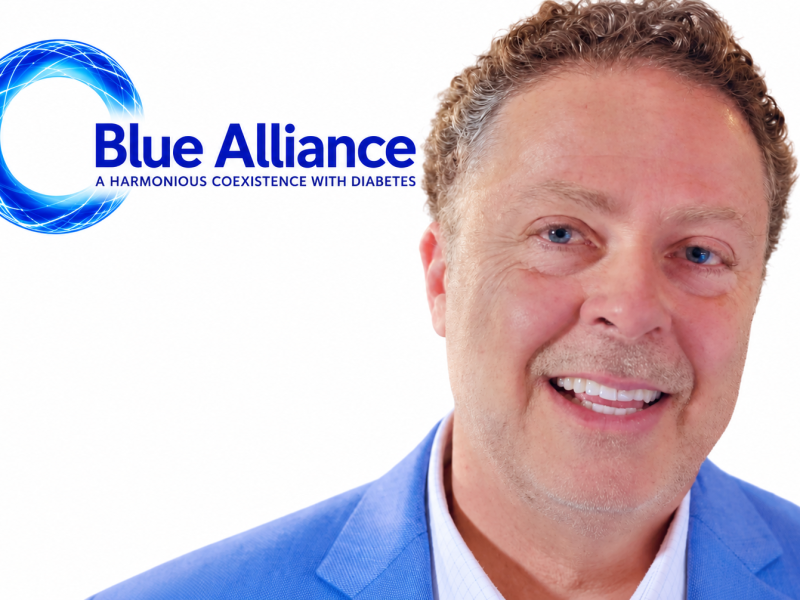
Rather than thinking only about a traditional sequel, I hope Blue Alliance will continue carrying its message through screenings, educational initiatives, discussions with healthcare professionals, families, and people living with diabetes. Its positive impact can continue to grow beyond the film itself.
- What inspired you to create “Blue Alliance: A Harmonious Coexistence with Diabetes”?
I wanted to address a dimension of diabetes that is still often overlooked: mental health. Diabetes requires continuous care, but it should not become the definition of a person’s identity. I intended to show, through real-life stories and scientific knowledge, that it is possible to live with diabetes in a responsible, healthy, and meaningful way.
- Can you share any personal experiences related to diabetes that influenced the direction of the film?
I have been living healthily with type 1 diabetes for forty years. I personally know the discipline that diabetes requires, but I also know that discipline does not have to mean fear, restriction, or loss of freedom. This experience profoundly influenced the film’s perspective: diabetes is part of my life, but it does not define my entire life.
- How did you select the individuals whose stories are featured in the documentary?
I wanted different ages, life experiences, personalities, and healthy ways of living with diabetes. The common element was authenticity. Each person brought a healthy perspective on diagnosis, adaptation, family, discipline, technology, physical activity, and quality of life.
- What were some of the biggest challenges you faced during the filming process?
One of the greatest challenges was transforming many hours of powerful personal stories and scientific content into a short documentary without losing depth. We needed to preserve each story’s individuality while building a coherent emotional and conceptual journey that would benefit the entire audience. Fortunately, we achieved that!
- How did you approach blending personal narratives with scientific information in the documentary?
Science provides understanding, while personal stories give that knowledge human meaning. I sought to create a constant dialogue between these two dimensions. Scientific information helps contextualize the experiences, while the people show how these principles are actually lived in everyday life.
- What role did artistic expression play in your storytelling?
A very important one. We used movement and artistic expression as metaphors for adaptation. Swimming, capoeira, aikido, balance, tango, and even caring for plants help communicate psychological concepts such as flexibility, adjustment, partnership, continuity, and self-regulation without relying solely on words. These activities symbolically facilitate psychological processing in synergy with the film’s message.
- What do you hope viewers take away from the film regarding the stigma associated with diabetes?
I hope they understand that a diagnosis does not define a person’s potential. Someone with diabetes can work, travel, exercise, love, create, build relationships, pursue dreams, and live fully. We need less stigma and greater understanding based on qualified information.
- In what ways do you think the documentary changes the conversation around diabetes management?
It shifts the conversation from control alone to coexistence. Numbers are important, but so are emotions, relationships, sleep, movement, motivation, flexibility, and quality of life. Good diabetes care is not about achieving perfect numbers; it is about building sustainable habits within a meaningful life guided by positive purposes.
- How important do you believe community support is for those living with diabetes?
It is fundamental. Family, healthcare professionals, friends, education, and technology can form what we call the “Blue Alliance.” Supporting someone does not mean controlling them. It means helping them develop knowledge, autonomy, confidence, and a healthier relationship with their condition.
- What key messages about insulin and diabetes management do you wish to convey through the film?
For people with type 1 diabetes, insulin is life. At the same time, successful management involves much more than insulin alone. Information, monitoring, physical activity, nutrition, sleep, emotional regulation, medical follow-up, and daily decisions all work together. The goal is not perfection, but informed and consistent care, which truly makes a major positive difference in daily management.
- How do you hope to impact public understanding of diabetes through this documentary?
I hope to replace fear and misconceptions with qualified knowledge. Diabetes is a serious condition that requires responsibility. Together, advances in medicine, technology, education, and especially psychological care have realistically expanded the possibilities of living well.

- What was the most emotional moment for you during the filmmaking process?
There were many. Perhaps the most moving moments were those in which people spoke openly about fear, vulnerability, family, and the process of discovering that life could continue beyond the diagnosis. Those moments reminded me that behind every glucose measurement there is a human being with a story that goes far beyond a glucose reading. The testimonies of a fulfilling life, from Valentina, aged 12, to Carmen, aged 94, were deeply moving to me, and I am certain they will be moving to a wider audience as well.
- How did the stories of the individuals featured in the film affect you personally?
They reinforced something I have observed personally and professionally for many years: human beings have a remarkable capacity for adaptation. Each story showed a different way of transforming difficulty into learning, autonomy, connection, and, sometimes, even purpose. The fundamental point is to create an alliance rather than deny the condition or be afraid of it!
- Are there any plans for future projects or sequels based on the responses to this documentary?
Rather than thinking only about a traditional sequel, I hope Blue Alliance will continue carrying its message through screenings, educational initiatives, discussions with healthcare professionals, families, and people living with diabetes. Its positive impact can continue to grow beyond the film itself.
- What other health or social issues are you interested in exploring in future films?
My work is strongly connected to mental health. I have a particular interest in trauma, resilience, healthy longevity, human relationships, belonging, and the ways in which culture, nature, and meaning can contribute to psychological and overall health. My multilingual website, clinicajulioperes.com.br, brings together the documentaries we have produced so far and those that will still be released this year.
- What feedback have you received from audiences so far? How has it shaped your perspective on the film?
The international reception has been surprising and truly wonderful. One recurring response has been the appreciation for the combination of scientific information, emotional authenticity, and a hopeful perspective without minimizing the challenges of diabetes. This has reinforced my conviction that people are looking for health narratives that are realistic but also constructive.
- How do you envision the film being used in educational settings or community outreach?
The film is already being used in schools, universities, hospitals, international diabetes associations, healthcare professional training, family meetings, and public awareness initiatives. Blue Alliance has served as a starting point for conversations about stigma, self-care, mental health, autonomy, and quality of life. That makes me very happy, because this is exactly why we made the documentary!
- If you could summarize the film in one sentence, what would it be?
Diabetes requires responsible and caring attention that expands the real possibilities of living an excellent life!
- What do you hope to achieve with “Blue Alliance” in terms of advocacy and awareness for people living with diabetes?
I hope to contribute to a cultural shift from fear and stigma toward knowledge, autonomy, psychological well-being, and possibility. I want people with diabetes to be seen, first and foremost, as people, with their abilities, talents, relationships, dreams, and potential.
- Finally, what message would you like to leave with viewers who may have been recently diagnosed with diabetes?
The diagnosis changes some aspects of life, but it does not determine who you are or what your future can become. Learn about your condition, build a trustworthy healthcare team, accept support, develop sustainable habits, and give yourself time to adapt. Diabetes becomes part of your life, with great potential to provide lessons that can contribute to a life even better than the one you had before the diagnosis. Create an alliance with diabetes!
For more information, please visit www.clinicajulioperes.com.br
