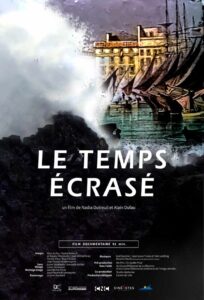
Crushed Time (Le Temps Écrasé) stands out as a thought-provoking feature documentary directed by Nadia Dutreuil and Alain Dufau. This film embarks on an emotional exploration of memory and identity, intricately woven into the narratives of its directors. The documentary serves as a reflective mirror, revealing the complexities of personal histories and the lasting effects of colonial legacies.
Thematic Exploration
The film presents a compelling narrative through the eyes of Nadia, a Kafrine from Réunion, and Alain, a Zorey from Marseille. Their journey across hemispheres not only seeks to uncover their ancestral roots but also serves to question the collective desire for historical understanding. The film deftly addresses the shadows of 250 years of slavery and servitude that have left indelible marks on their familial stories.
Emotional Engagement
While the emotional depth of the documentary is commendable, certain segments may feel prolonged, impacting the overall flow. The candid moments of vulnerability between the filmmakers enhance the viewer’s connection, yet some reflections could have been more succinct. The exploration of fears and denials regarding their past elicits a strong emotional response, prompting viewers to confront their own histories.

Cinematic Craft
Visually, Crushed Time captivates with its stunning imagery of Réunion Island, juxtaposing the island’s beauty against the weight of its historical context. The innovative choice to pass the camera between the two directors adds an intimate layer to the storytelling. However, the editing could use more refinement to create a more cohesive narrative arc.
Conclusion
In summary, Crushed Time (Le Temps Écrasé) is a significant documentary that tackles profound themes with sincerity. While it falls short of complete engagement due to pacing issues, it remains a worthwhile exploration of memory, identity, and the challenges of confronting one’s past. This film is particularly recommended for those interested in the intersections of personal history and cultural legacy.
Rating: ⭐⭐⭐ (3/5)