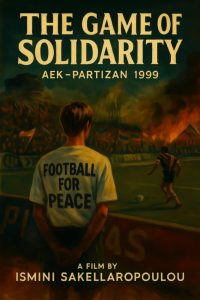
The Game of Solidarity: AEK – PARTIZAN 1999, directed by the talented Ismini Sakellaropoulou, is a poignant documentary that transcends the realm of sports, delving deep into the human experience of peace, solidarity, and resilience amidst adversity. This film, showcased at the Stockholm City Film Festival, captures not only the essence of a historic soccer match but also the heartwarming bond between the Greek and Serbian people during a time of conflict.
Cinematic Vision
Sakellaropoulou’s direction shines through in her ability to weave together personal narratives and historical context seamlessly. The film opens with a vivid depiction of the atmosphere surrounding the match, presenting the viewer with a rich tapestry of emotions—anticipation, nostalgia, and a hint of trepidation. Her skillful use of close-ups captures the raw emotions of the players and fans alike, making the audience feel as if they are part of this compelling journey.
Narrative Structure
The film is structured around the experiences of various individuals, including players, fans, and locals, who recount their journey. Each narrative thread is interwoven with historical footage and personal testimonies, allowing the audience to grasp the significance of this event beyond the soccer field. The emotional depth of these stories is amplified by Sakellaropoulou’s careful pacing, allowing moments of reflection and connection to resonate.
Themes of Unity and Peace
At its core, The Game of Solidarity is a celebration of the human spirit. The film beautifully highlights the theme of brotherhood through shared experiences, showcasing how a simple act of gathering for a soccer match can foster connections that transcend borders. The scenes of fans exchanging scarves and flags serve as powerful symbols of solidarity, reminding us of the potential for peace in a world often divided by conflict.

Visual and Auditory Elements
Visually, the documentary is striking. The cinematography captures the stark contrasts between the war-torn landscapes of Serbia and the vibrant spirit of the fans. The sound design complements the visuals perfectly—chanting fans, ambient sounds of the stadium, and heartfelt conversations create an immersive experience. The choice of music enhances emotional moments, reinforcing the film’s uplifting message.
Directorial Acumen
Sakellaropoulou’s directorial acumen is evident in her ability to handle sensitive subjects with grace and respect. She manages to portray the complexities of human emotions without resorting to clichés, allowing the audience to draw their own conclusions about the significance of the events depicted. Her vision is clear: to remind us that even in the darkest of times, hope and connection can prevail.
Conclusion
The Game of Solidarity: AEK – PARTIZAN 1999 is a masterful documentary that serves as a reminder of the power of humanity and the bonds that can unite us. Ismini Sakellaropoulou has created a film that is not only a testament to the spirit of sportsmanship but also a call to embrace our shared humanity. It is a must-see for anyone who believes in the potential for peace and understanding in our world.
As it resonates with audiences at the Stockholm City Film Festival, this documentary stands out as a beacon of hope and unity, making it a significant addition to contemporary cinema. Bravo, Ismini Sakellaropoulou, for your remarkable work.
Based on the emotional depth, themes of solidarity and peace, and the overall impact of The Game of Solidarity: AEK – PARTIZAN 1999, I would rate it 4.5 out of 5 stars.
Rating Breakdown:
- Narrative Quality: ★★★★☆
- Emotional Impact: ★★★★★
- Cinematography: ★★★★☆
- Cultural Significance: ★★★★★
- Overall Experience: ★★★★☆
This rating reflects the documentary’s ability to convey a powerful message about unity in the face of adversity, making it a significant contribution to both sports and cultural storytelling.